This Man Turned $1,000 Into $113,000 Trading SPY Options. I Looked Into How He Did It.
Nick had no trading background. He followed one system, one ticker, with exact entry and exit levels. His account grew to $113,000.
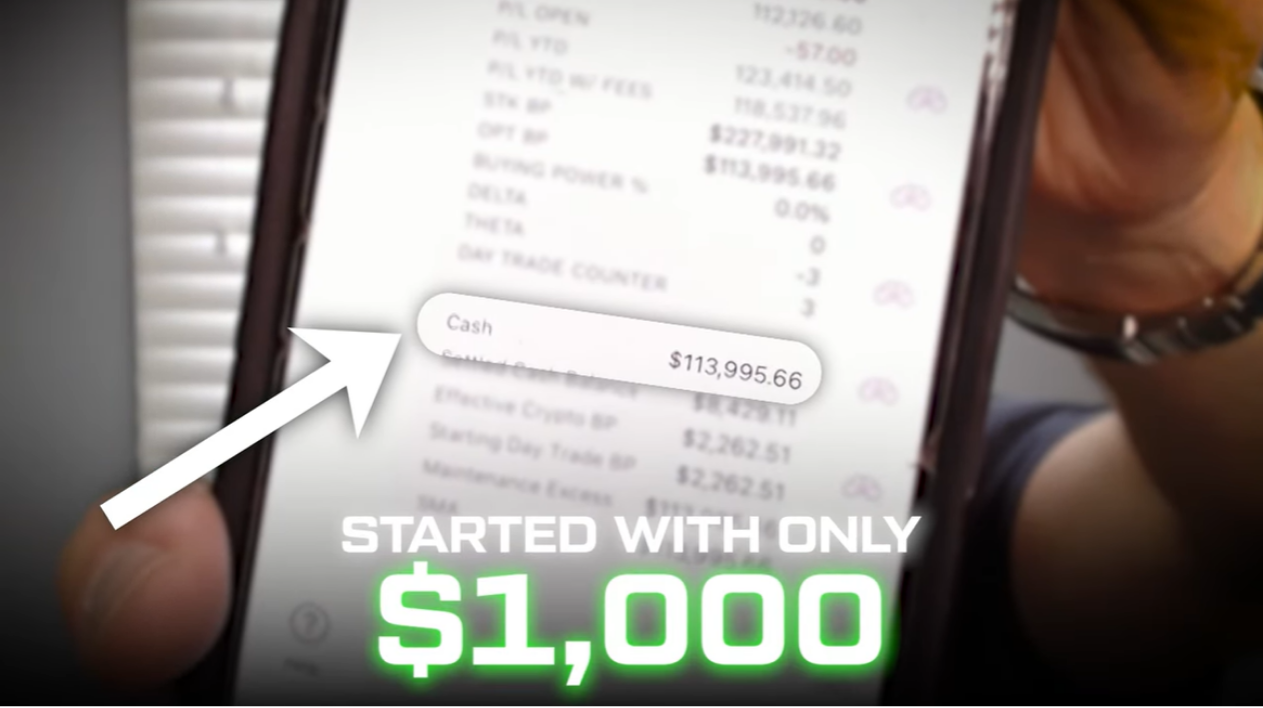
I came across a clip from a live trading stream in late 2024. A trader named Austin Wynn was mid-session when he stopped and pointed his camera at someone sitting nearby.
"That's my boy Nick," he said. "My best friend in real life. He started with a thousand dollars. He just turned it into a hundred and thirteen thousand."
The chat moved fast. Most people typed some version of "no way."
I was one of them.
I've covered personal finance long enough to know what these moments usually are. A screenshot taken out of context. A number that doesn't account for prior losses. A story that falls apart the moment you ask for the account history.
So I looked into it.
Nick isn't a trader. He doesn't work in finance. He had no prior experience with options before following Austin's system. What I found when I dug into the actual account records is what this piece is about.
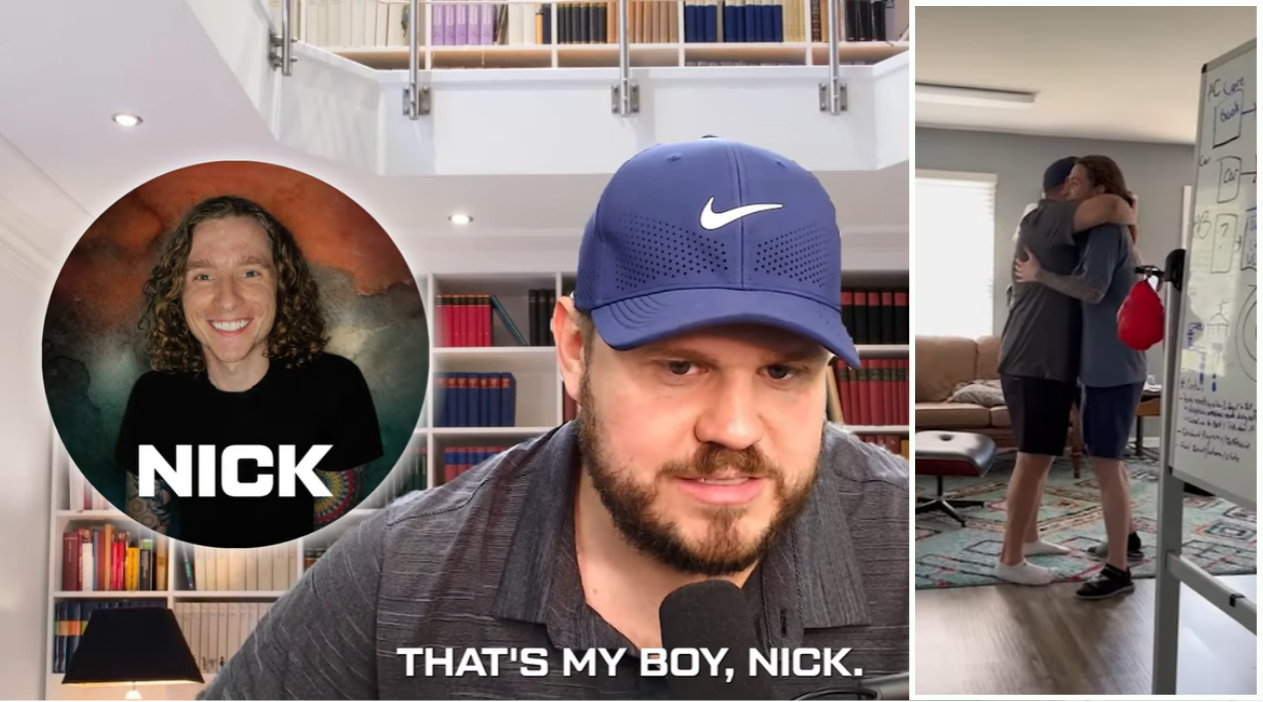
Austin Wynn (left) with Nick during a live trading session. Austin pointed Nick out to thousands of viewers watching the stream.
Nick is Austin's best friend. They grew up together. He lives nearby and shows up to Austin's streams the way most people show up to a friend's house, casually, without much agenda.
Before following Austin's system, he had no formal background in options, no finance degree, no prior experience reading charts. By his own account, he was the kind of person Austin was describing when he talked about traders who freeze because there are too many choices and not enough clarity.
What Nick did was straightforward. Austin runs a weekly analysis on SPY, the ETF that tracks the S&P 500. Every setup comes with an exact entry level, an exact contract, a stop loss, and a confirmation rule. You wait for one line to cross another on the chart. When it does, you execute. When it doesn't, you don't.
Nick followed that. Nothing more.
He didn't watch the market every hour. He didn't modify the setups or add his own analysis on top. He didn't chase moves or second-guess entries. He took the trade as it was given, at the level it was given, and managed it according to the rules already laid out for him.
The account started at $1,000. Over the course of following Austin's SPY setups, it grew to $113,000. The screenshots showing the account balance are real. Austin pulled them up on stream in front of thousands of viewers, and Nick was sitting right there.

What Austin built is not a typical trade alert service.
Most services send you a stock pick and a rough price range. You still have to decide when to enter, how much to risk, and when to get out. The decision-making burden stays with you.
SPY Playmaker works differently. Every setup arrives with the exact contract, the exact strike price, the exact trigger level to watch, a stop loss, and multiple profit targets. The only action required is waiting for SPY to hit the level. When it does, you execute. When it doesn't, you wait.
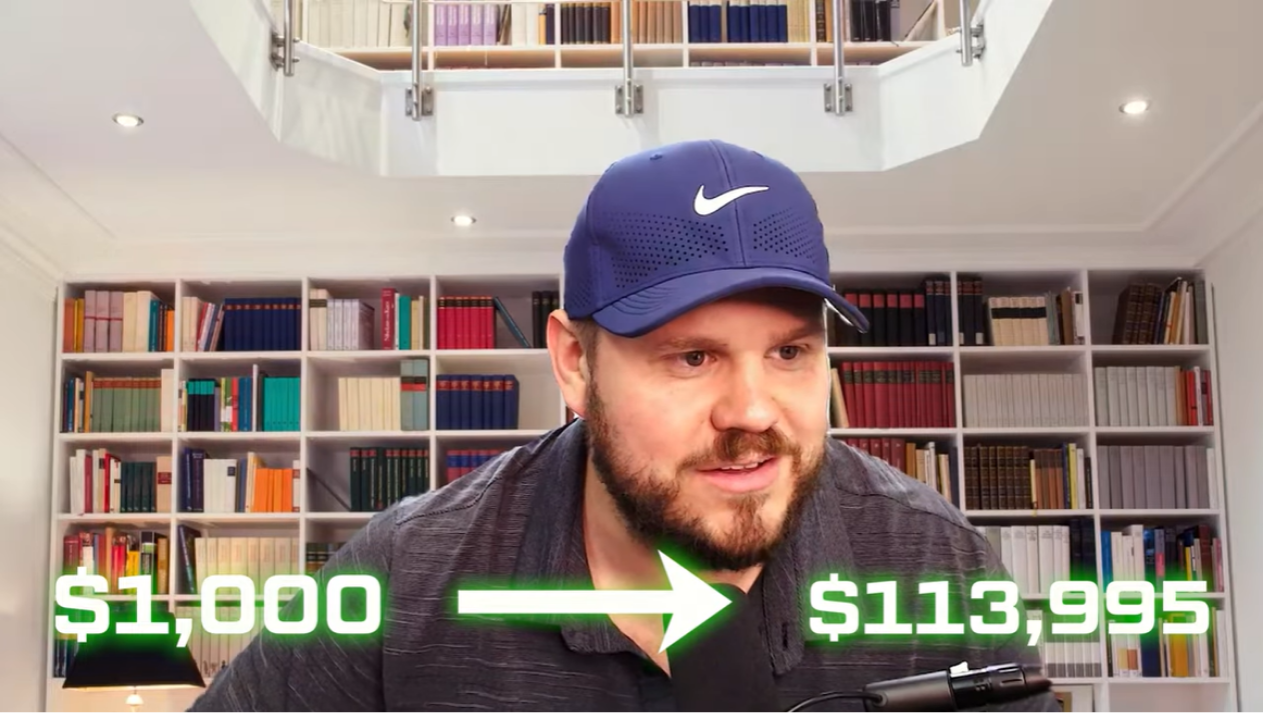
Austin Wynn, creator of SPY Playmaker and founder of PennyBois Alerts.
Austin trades SPY specifically because it is the most liquid options market in the world. More buyers and sellers means you are never stuck in a position. And because SPY represents the entire S&P 500, no single company announcement, no single earnings miss, no single CEO resignation can take the trade out from under you overnight.
The confirmation rule is what separates this from a standard alert. You don't enter the moment SPY touches the level. You wait for a 30-minute candle to close and confirm the move. That one rule alone removes the single most common reason traders lose money, entering too early on a move that reverses immediately.
The results across the community reflect that. Austin turned $150 into $4,270 across four trades in 48 hours in July 2024, going four for four. Community members have posted verified broker screenshots showing returns of 483%, 1,860%, and 657% on individual SPY trades. One member's investing account grew from roughly $71,000 to $102,555 in three months.
These are not outliers cherry-picked from years of data. They come from the same system, the same setups, and the same confirmation rule Nick used.
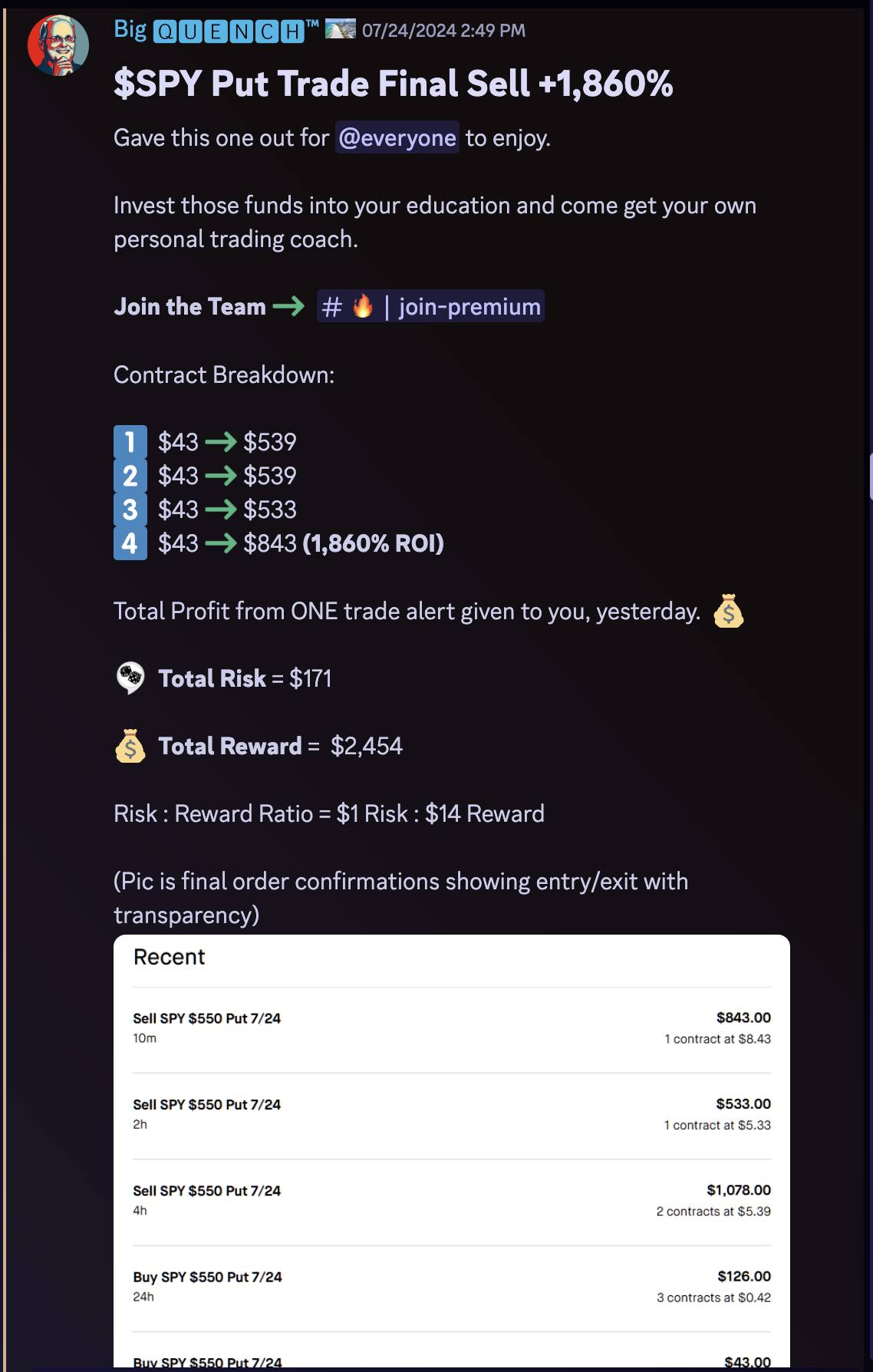
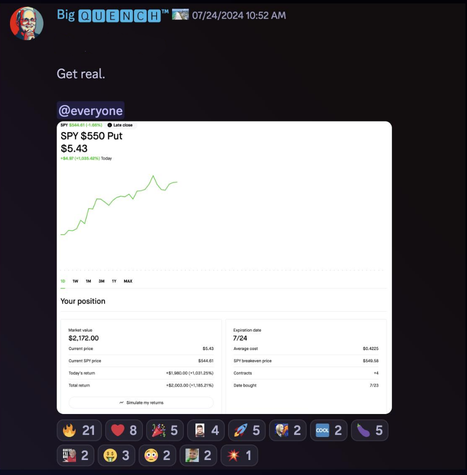
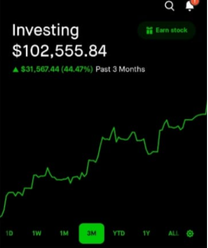
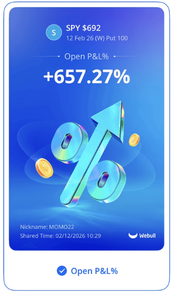
A selection of verified broker screenshots shared by SPY Playmaker community members. Results vary and past performance does not guarantee future results.
After going through the account records, the community results, and the stream footage, I had one question left.
What does something like this actually cost?
I expected the answer to be in the hundreds of dollars per month. That's the standard for any service with verified results, an active community of nearly 50,000 traders, and a system specific enough to hand someone the exact contract, the exact level, and the exact exit before the market opens.
I was wrong about the price. Noticeably wrong.
Austin publishes the full details on his website, along with everything included in the membership. When I saw the number, I went back and checked that I was looking at the monthly figure and not some introductory daily rate.
I was looking at the monthly figure.
If you followed this story and want to know what Nick used, the full breakdown is on the next page.
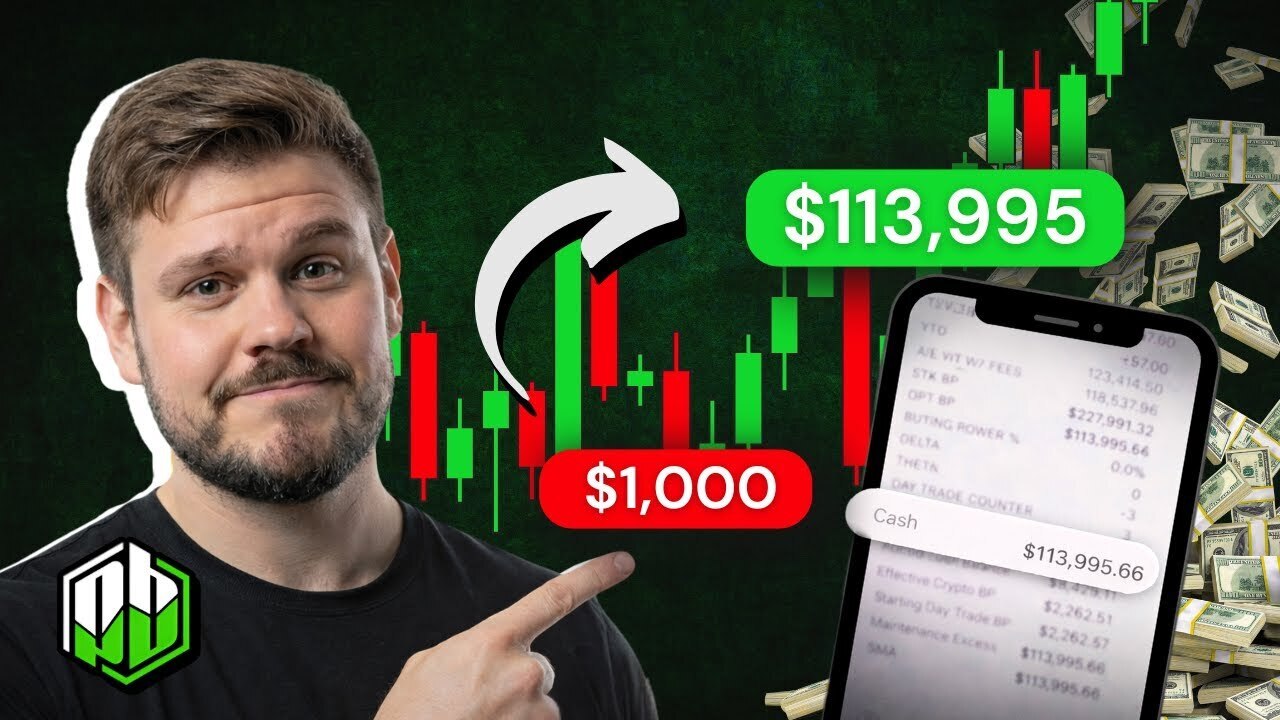
Full details, pricing, and what is included in the membership